Back in 2016, Virjanand Devakarni, director of the Gurukul Museum in Jhajjar, Haryana, gifted me Dr Sushma Arya’s book: Panchāla Rajya kā Itihāsa (History of the Kingdom of Panchala). In it there are several photographs and a description of a damaged but striking terracotta pañchamukhaliṅgā (a five-headed Śiva liṅgā), or a liṅgā with four heads, with the fifth, usually unmanifest head, here clearly inferred at the apex of the liṅgā. The liṅgā is thought to belong to the Gupta period (I would suggest early Gupta at the latest) and was located in a small village called Bheempur Kathauti about 1 km north of the ancient fortress city of Ahichhatrā (Bareilly district, Uttar Pradesh).
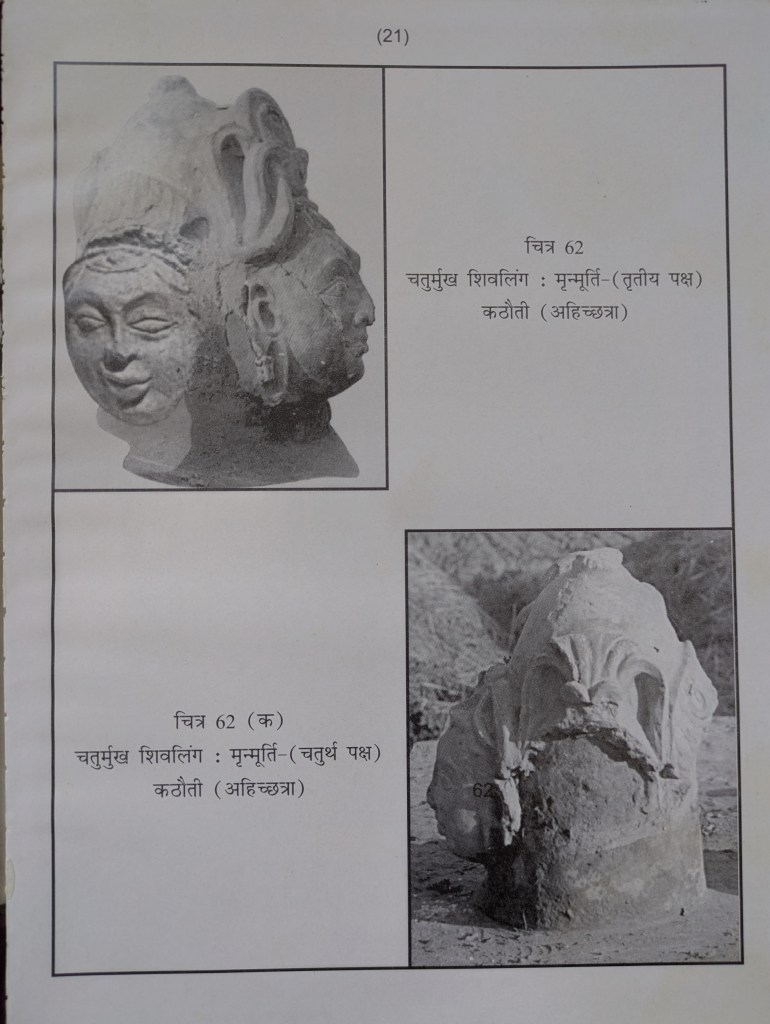
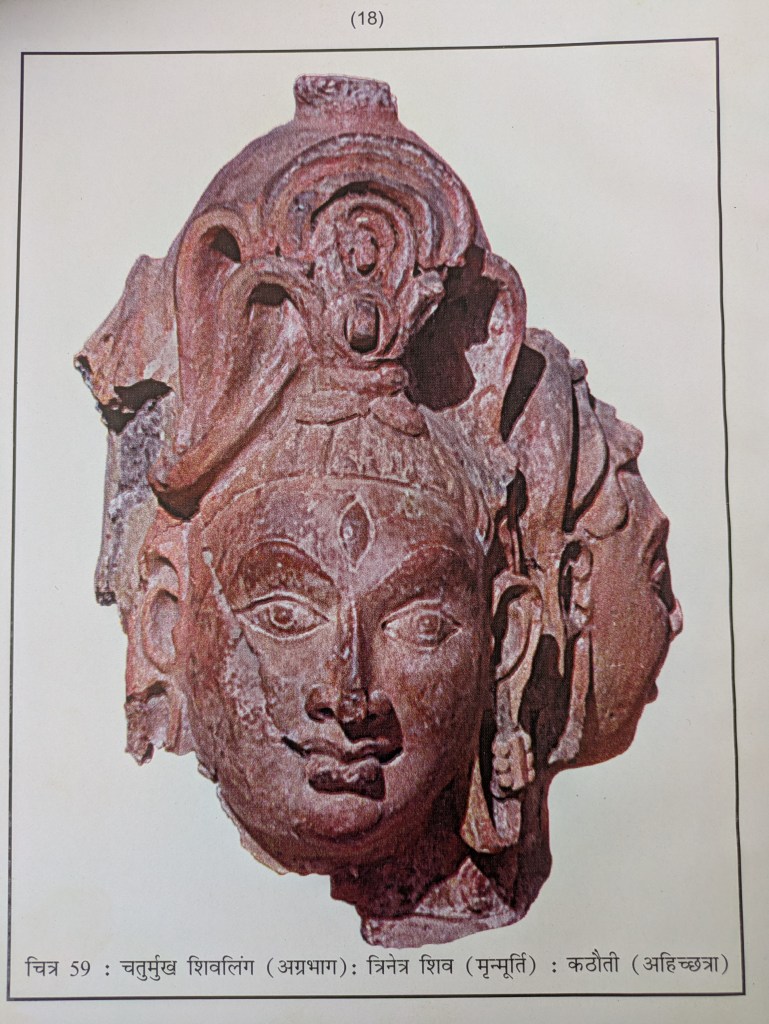

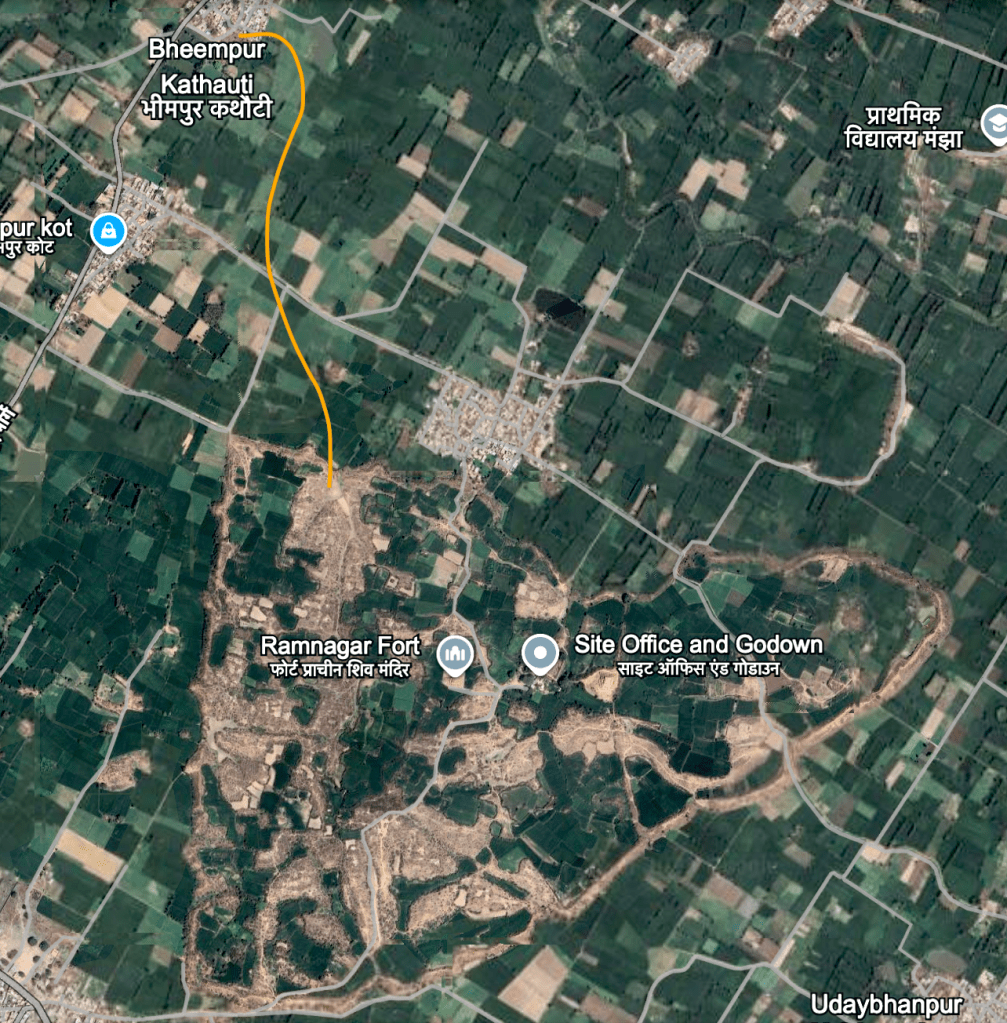
Now this liṅgā sits in the collections of the Asian Civilisations Museum, Singapore. The accession code suggests that it entered the collection in 1997 and it is labelled as coming from the state of Madhya Pradesh. The title given by the museum is chaturmukha lingam, meaning a four-headed liṅgā.
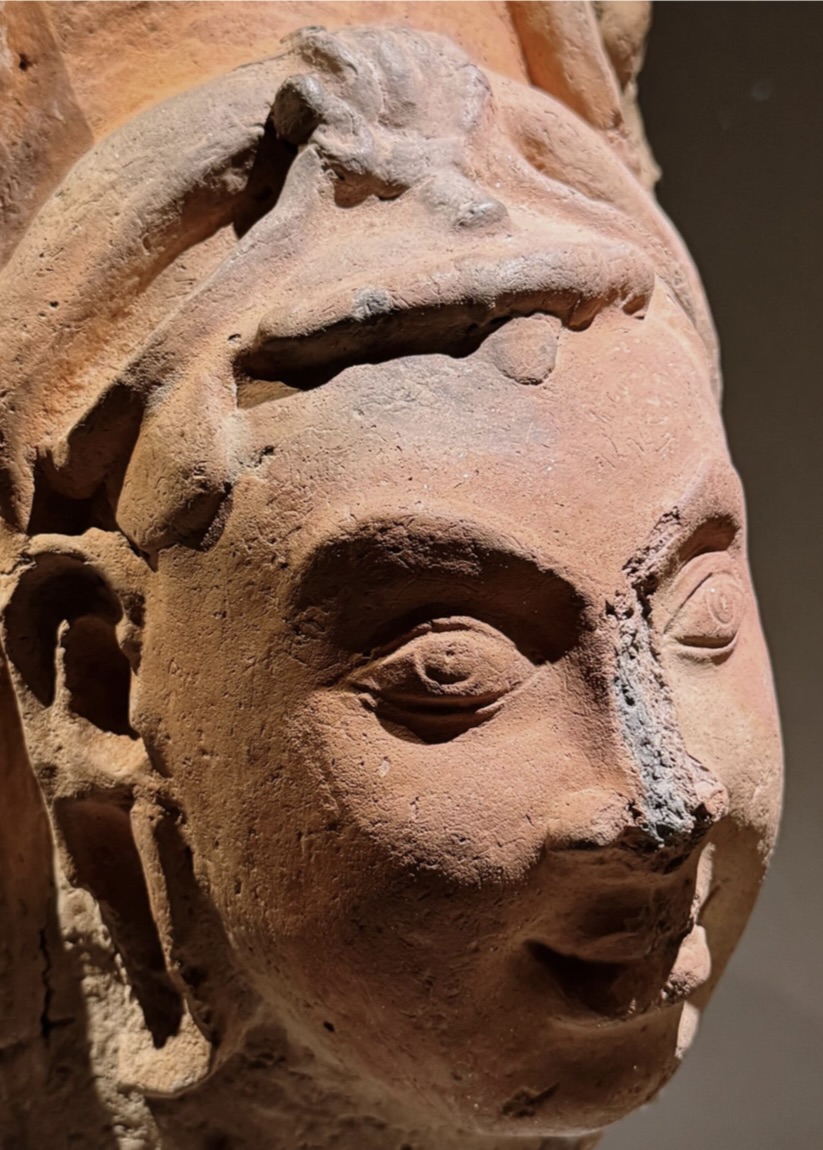
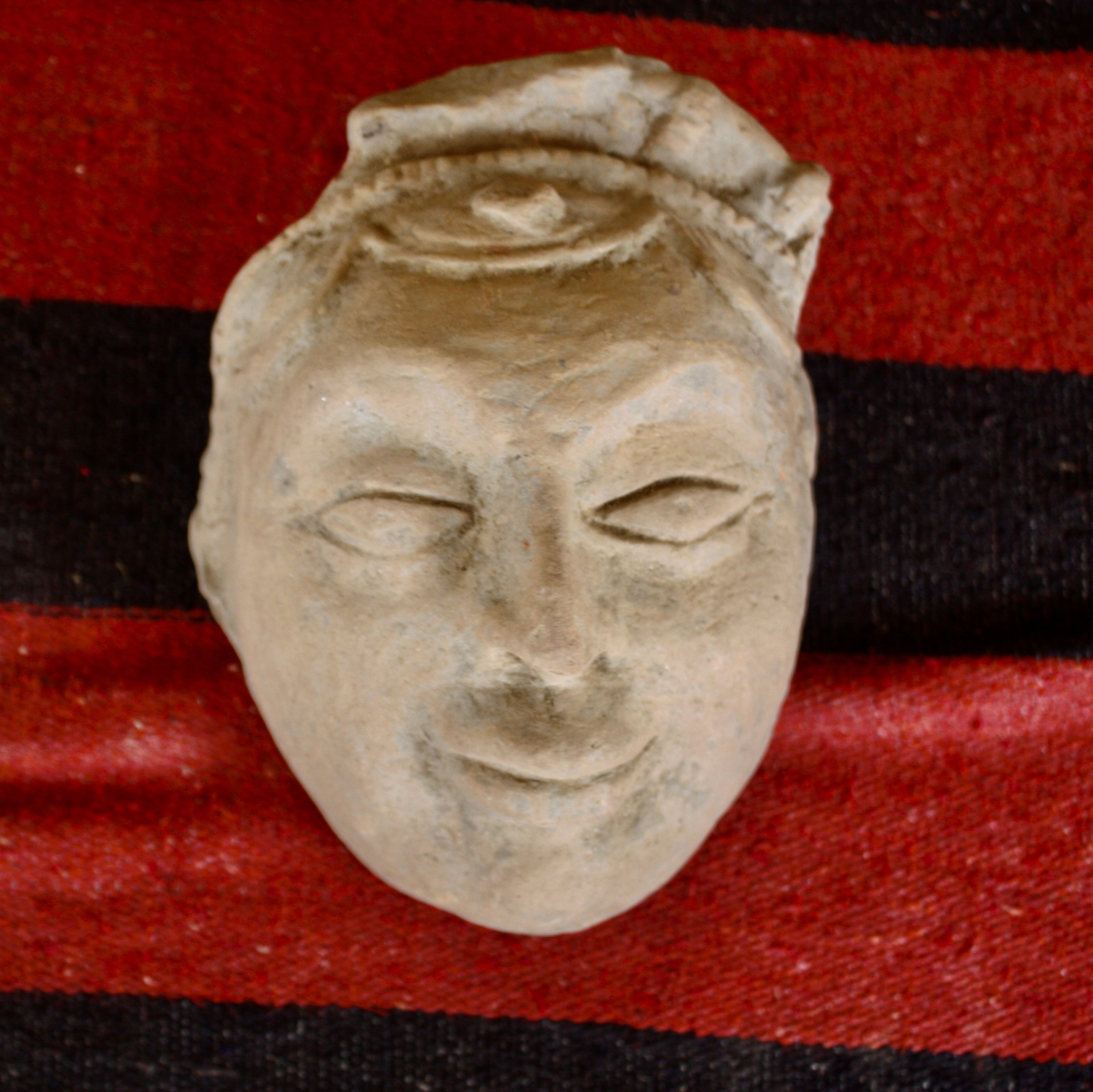
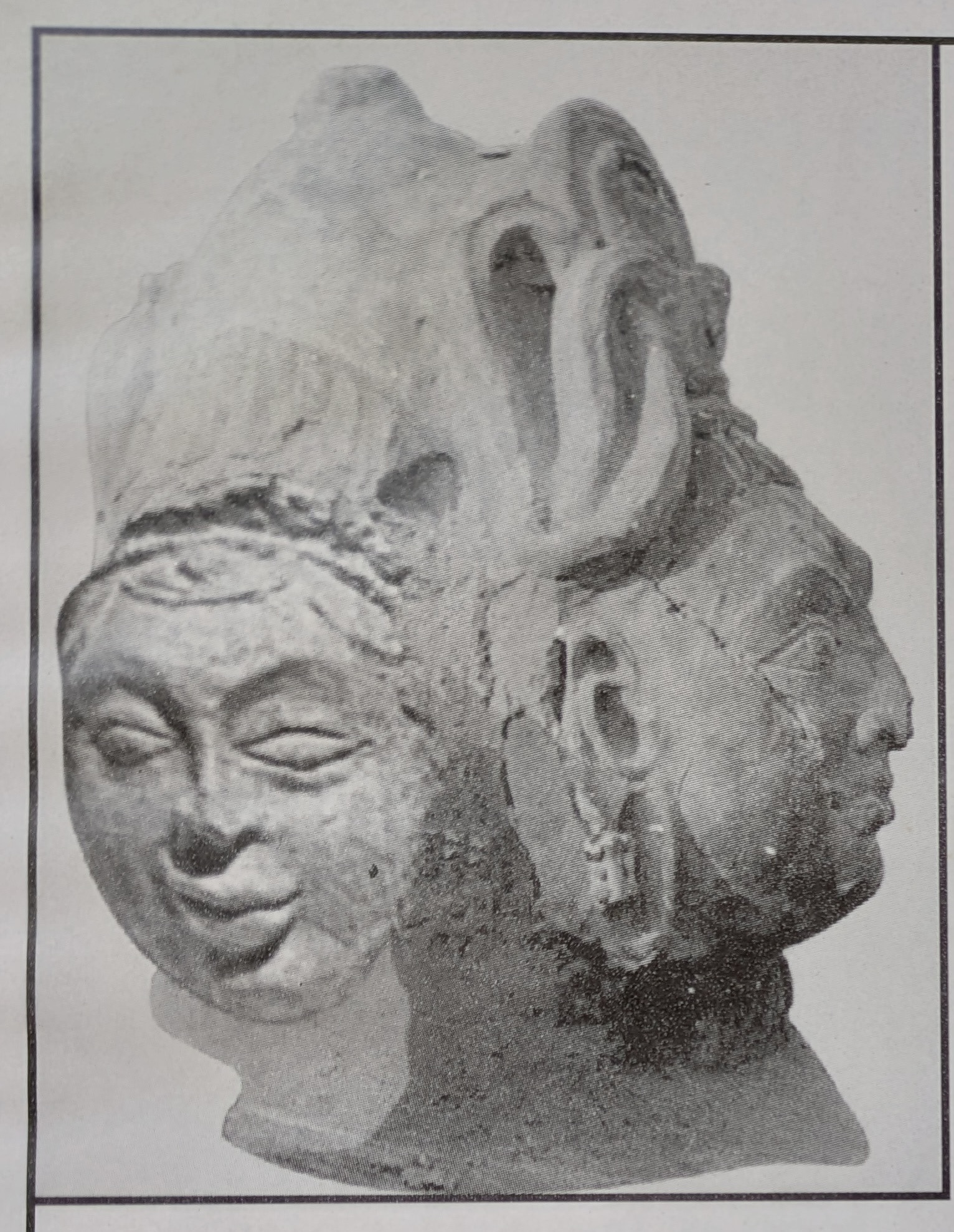
I came across a detached face of the liṅgā in the reserve collection of the Gurukul Museum in Jhajjar.
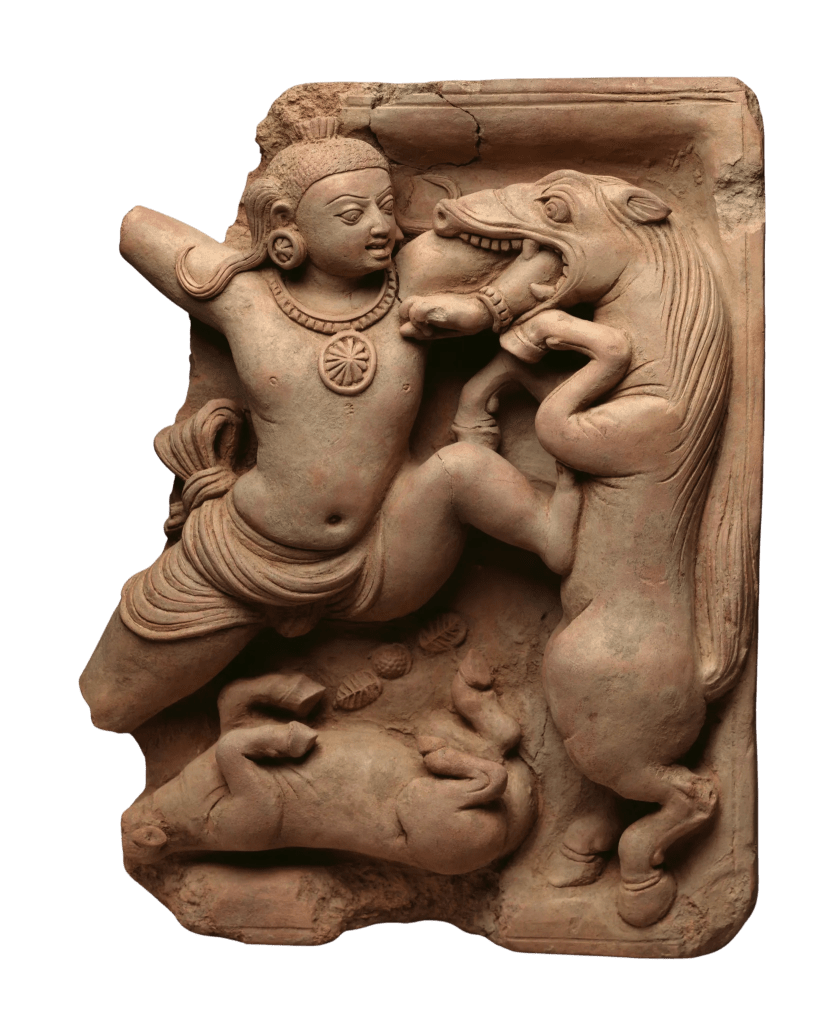
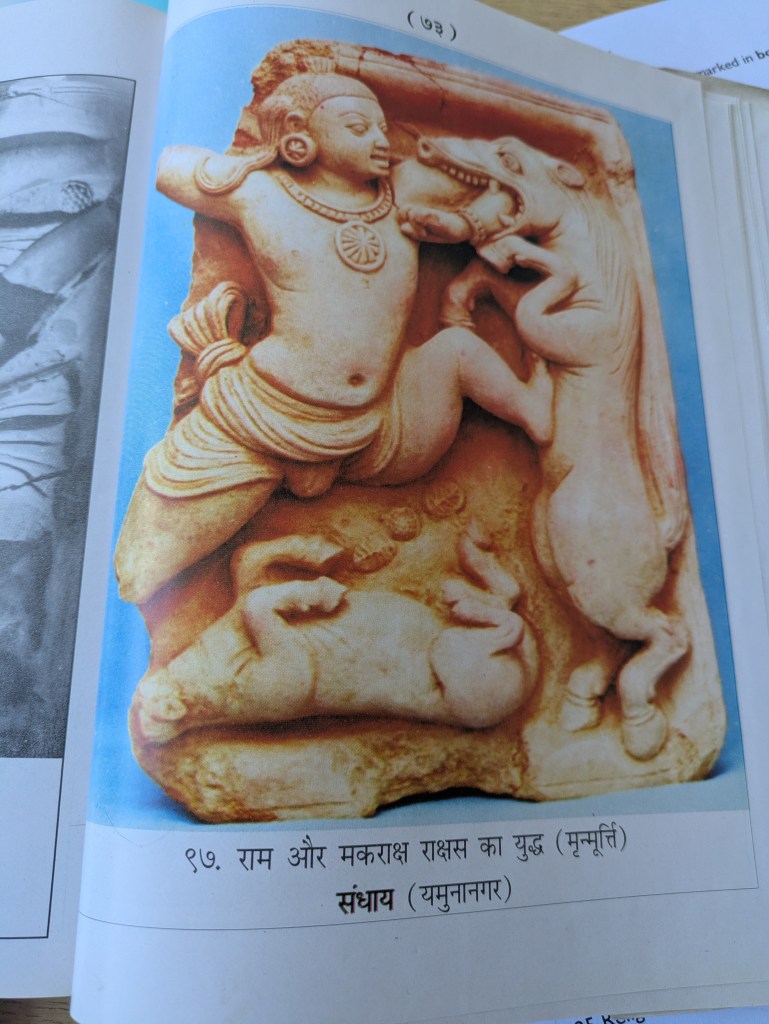
The next image is a well-known Gupta period terracotta depicting Kṛṣṇa in combat with the horse demon Keśin, on display at the Metropolitan Museum of Art in New York. This panel, described as originating in Uttar Pradesh, was purchased by the museum in 1991.
This panel was previously in the Gurukul Museum, Jhajjar, as attested by one of their catalogues, but was stolen (as told to me by Virjanand Devakarni). The Gurukul Museum describe it as coming from the village of Sandhāya in the Yamunanagar district of Haryana.
The next piece is a terracotta panel fragment depicting the blood curdling moment when the man-lion avatar of Viṣṇu, Narasiṃha, tears open the chest of the demon Hiraṇyakaśipu.
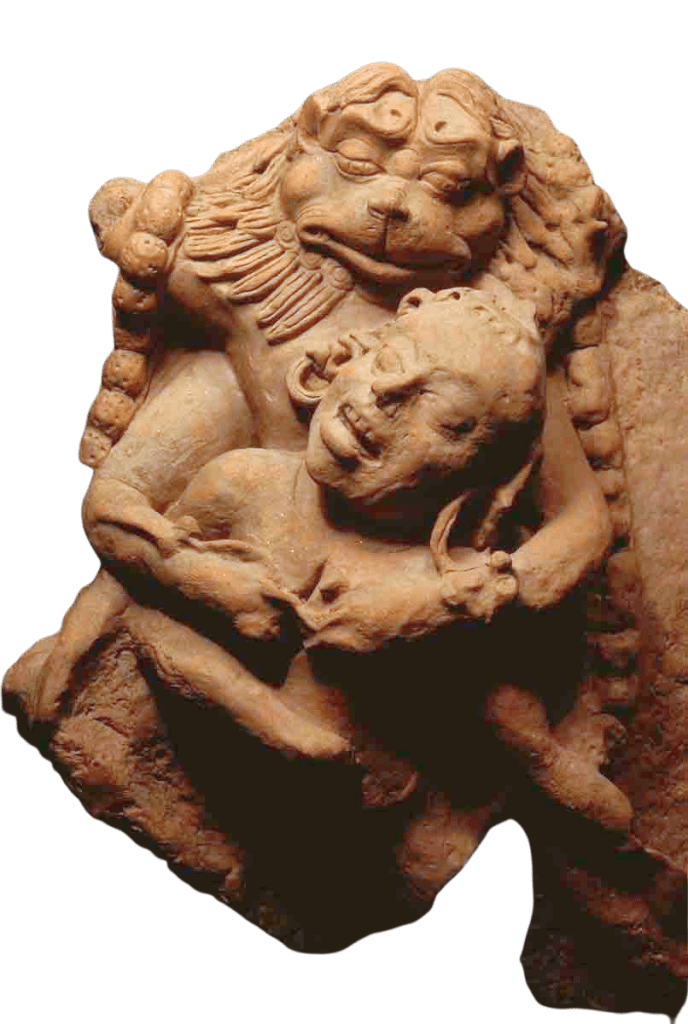
This fragment featured in the 1986 exhibition catalogue by Amy G. Poster titled, From Indian Earth: 4000 Years of Terracotta Art, where it is described as hailing from Uttar Pradesh. At the time it belonged to the Pritzker collection. I do not know whether it still does. This fragment features in the Gazetteer of India, Uttar Pradesh: District Unnao, edited by Amar Singh Bagel (1979). Here we are informed that this piece was found in an important mound (which has mostly yielded Kuṣāṇa material) called Sanchankot or Sujankot in the village of Ramkot near Bangarmau in Hardoi district, Uttar Pradesh (see p. 15 and the plate after p. 14).
The next Gupta period panel included in this post depicts a climactic moment in an episode from the Rāmāyaṇa in which the demon Triśiras is disposed of by Rāma.

This panel is now in the Linden-Museum, Stuttgart, but, like the Kṛṣṇa and Keśin panel, was once in the ownership of the Gurukul Museum, Jhajjar, and was stolen. The Gurukul Museum catalogue describes it as being purchased in Sirsā, Haryana (see, Devakarni, Virjanand. 2007. Prachin Bharat main Rāmāyaṇ ke mandir. Gurukul Jhajjar, Haryana: Pranttiya Puratattva Sangrahalaya).
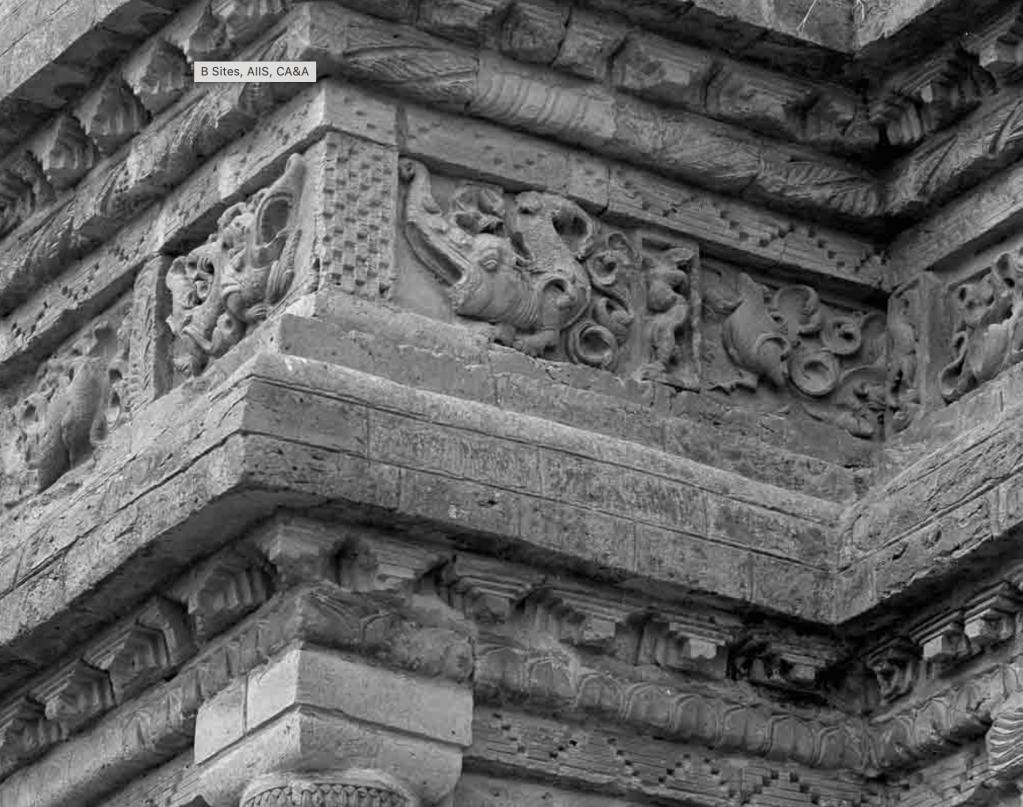
The final panel I will “reunite” with its place of origin is this beautiful terracotta panel representing a composite sea creature. Currently it resides in the Nelson Atkins Museum of Art in Kansas, North America, where its place of origin is described very loosely as India. It in fact belongs to the temple of Bhitargaon in Kanpur district, Uttar Pradesh; the only Gupta period brick and terracotta temple still standing. A photograph from the AIIS (American Institute of Indian Studies) records it in situ.


 Art of South Asia